Medical Device Manufacturing Insights & Blog
Industry updates, engineering leadership, and vertical integration strategies from MedTech contract manufacturing experts.
Top Medical Hypotube Components for Your Global Sourcing Needs?
In the ever-evolving world of medical technology, the demand for high-quality Medical Hypotube Components is on the rise. These components play a crucial role in various medical devices, such as catheters and drug delivery systems. The precision and reliability of these parts can significantly impact patient outcomes. As a result, sourcing these components globally becomes essential for manufacturers.
Understanding the complexity of medical hypotubes is vital. They must meet stringent industry standards and undergo extensive testing. Each component is specialized and designed for specific applications. However, finding the right supplier can be challenging. It requires careful evaluation of the supplier’s capabilities and compliance with regulations. Many companies face issues related to quality assurance and delivery timelines.
While global sourcing offers benefits, pitfalls exist. Not every supplier can provide materials that meet advanced regulatory requirements. Shortcuts in production or testing can lead to severe consequences, including product recalls. Thus, companies must reflect on their sourcing strategies. Ensuring the reliability and quality of Medical Hypotube Components is non-negotiable.
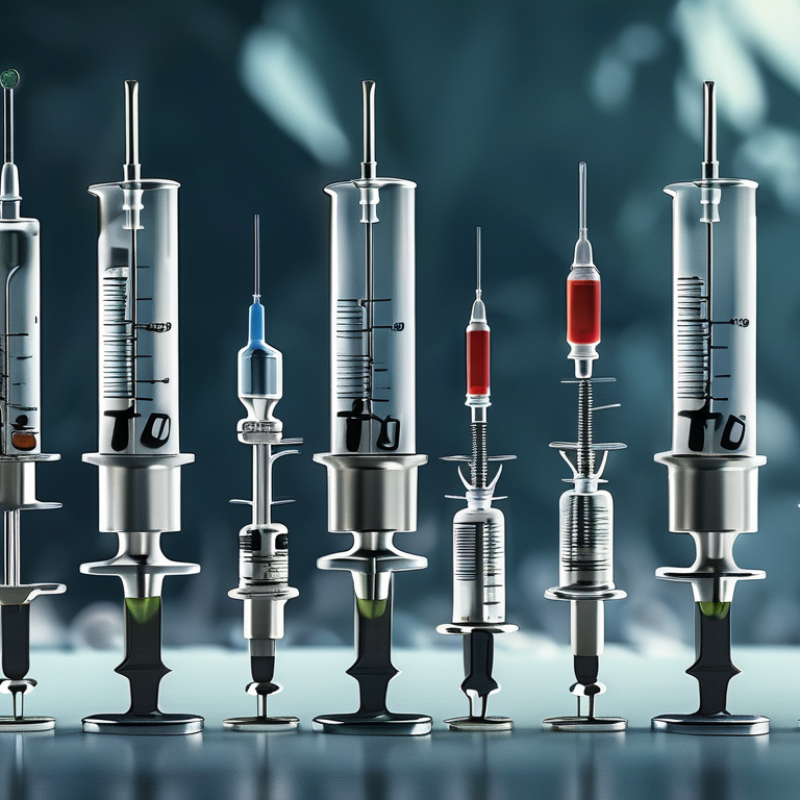
Top Medical Hypotube Components Overview
When considering medical hypotube components, it's crucial to understand their role in various applications. Hypotubes are often used in catheters and medical devices due to their lightweight and flexible design. These tubes are usually made from high-grade metals or polymers, which enhance their durability and performance during medical procedures. A variety of manufacturing techniques can impact the final product’s reliability, shaping the industry's standards for quality.
There are several components to evaluate. For instance, the tube's wall thickness plays a key role in its flexibility and strength. A thinner wall may reduce the tube's overall weight but can compromise durability. Additionally, surface finish is vital; a smooth finish minimizes friction and enhances performance. The selection of materials must also align with biocompatibility standards to ensure patient safety.
Organizations often face challenges when sourcing these components globally. Quality control can vary by manufacturer, and rigorous testing is needed to ensure compliance with health standards. It's essential to work with suppliers who prioritize transparency and provide detailed specifications. This not only builds trust but also fosters long-term partnerships, essential in the ever-evolving medical landscape.
Key Materials Used in Medical Hypotube Manufacturing
In the realm of medical hypotube manufacturing, material selection is critical. The success and reliability of medical devices heavily depend on the right components. Commonly used materials include stainless steel, polymers, and biocompatible alloys. Each material has unique properties that influence performance and safety. For instance, stainless steel offers excellent strength, while polymers can provide flexibility and light weight.
Biocompatible materials are essential for patient safety. They reduce the risk of adverse reactions during medical procedures. Many manufacturers opt for polyether ether ketone (PEEK) for its resilience and biocompatibility. However, understanding the nuances of material properties can be challenging. Knowledge gaps in suppliers might lead to poor choices, impacting device performance.
Manufacturers must also consider manufacturing processes. Techniques such as laser cutting and extrusion play a significant role in achieving desired specifications. Small variations can affect the overall quality of the final product. This highlights the need for thorough quality control throughout the production cycle. Ensuring each component meets rigorous standards is vital in making safe and effective medical devices.
Top Medical Hypotube Components for Your Global Sourcing Needs
Applications of Hypotubes in the Medical Field
Hypotubes are critical components in various medical devices, serving multiple applications. These small, hollow tubes are typically made from materials like stainless steel or nitinol. They are designed for precision, providing flexibility and strength in blood monitoring devices and stents. Their ability to navigate complex bodily pathways makes them essential in minimally invasive procedures.
Another significant use is in catheters. Hypotubes allow for accurate delivery of medications or drainage of fluids in the body. Their biocompatibility is crucial, ensuring patient safety. Despite these advantages, working with hypotubes can present challenges. Manufacturing quality control is vital to prevent defects. Any imperfection can hinder device performance and patient outcomes.
In the burgeoning field of medical technology, understanding the broader implications of hypotube applications is essential. Continuous improvement in design and material science can lead to better patient experiences. Industry professionals must balance innovation with safety, ensuring all components meet regulatory standards. Future developments will likely focus on enhancing the adaptability of hypotubes in emerging medical applications.
Global Sourcing Strategies for Hypotube Components
Global sourcing for hypotube components demands a strategic approach. Choosing the right suppliers can impact product quality and overall efficiency. Companies often face challenges in balancing cost and reliability. It's crucial to assess potential suppliers thoroughly. Establish clear criteria for evaluating their capabilities and expertise.
Innovative sourcing strategies can help navigate complexities in the international market. Building strong relationships with manufacturers is vital. Consider local regulations and quality standards. Many organizations benefit from regional partnerships, which can offer insights into market trends and technological advancements. Regular communication with suppliers fosters a sense of trust and accountability.
Reflecting on sourcing practices can reveal shortcomings. Companies should routinely review their supplier performance. Analyze data to identify patterns and areas for improvement. This ongoing evaluation process is essential in maintaining competitiveness. Adjusting sourcing strategies allows businesses to adapt to ever-changing market demands.
Quality Standards and Regulations for Medical Hypotubes
When sourcing medical hypotubes, understanding quality standards is crucial. The medical industry demands strict adherence to regulations, ensuring patient safety and product efficacy. ISO 13485 is a key standard that manufacturers must follow. It focuses on quality management systems specific to medical devices. Compliance with this standard can enhance reliability and trustworthiness.
Regulations also vary by region, making global sourcing complex. In the United States, the FDA enforces rigorous guidelines to ensure medical device safety. In Europe, the Medical Device Regulation (MDR) provides a framework for product compliance. Manufacturers should familiarize themselves with these standards. They need to ensure their products meet all necessary requirements before entering different markets.
However, the variability in standards can create challenges. Some manufacturers might find it hard to maintain high quality throughout the production process. Regular audits and assessments can help identify weaknesses. Continuous improvement and a focus on education are essential. Keeping staff updated on regulatory changes is vital for compliance and quality assurance.
FAQS
: Common materials include stainless steel, polymers, and biocompatible alloys. Each has unique properties impacting performance.
They ensure patient safety by reducing the risk of adverse reactions during medical procedures. Safety is a priority.
PEEK is a polymer known for resilience and biocompatibility. It's often chosen for its beneficial properties in medical devices.
Techniques like laser cutting and extrusion are crucial. Small variations can lead to significant quality issues if not controlled.
ISO 13485 is a standard for quality management systems in medical devices. Compliance enhances reliability and trust in products.
Different regions have unique standards. This complexity may hinder manufacturers from consistently maintaining high-quality products.
Regular audits and assessments help identify weaknesses. Continuous education for staff keeps them informed about regulatory changes.
Quality control ensures each component meets rigorous standards. It is vital for the safety and effectiveness of medical devices.
Understanding material properties can be complex. Gaps can lead to poor choices, ultimately impacting device performance and safety.
Understanding quality standards is key. This knowledge is essential for ensuring patient safety and effective product outcomes.
Conclusion
The article "Top Medical Hypotube Components for Your Global Sourcing Needs" provides a comprehensive overview of essential medical hypotube components, which are critical in various medical applications. It discusses the key materials used in the manufacturing of these components, highlighting their importance in ensuring product reliability and effectiveness. The applications of hypotubes range from minimally invasive surgical procedures to complex diagnostic tools, emphasizing their versatility in the medical field.
Furthermore, the article outlines global sourcing strategies for obtaining high-quality medical hypotube components, including considerations for quality standards and regulations that govern their production. By adhering to these standards, manufacturers can ensure that their products meet the stringent requirements necessary for medical use. Overall, understanding these elements is crucial for companies looking to source medical hypotube components effectively and responsibly.

Blog Tags: