Knowledge & Innovation

Medical Device Manufacturing Insights & Blog

Industry updates, engineering leadership, and vertical integration strategies from MedTech contract manufacturing experts.

0%

Medical Plastic Micro-Molding is a specialized manufacturing technique crucial for the medical industry. This process involves creating tiny, intricate plastic components used in various medical devices. Precision is key, as even the smallest defect can compromise a product's reliability and performance.

Manufacturers must pay attention to detail. The high level of accuracy in Medical Plastic Micro-Molding ensures that every component fits together seamlessly. This promotes safety and efficiency in medical applications. Companies that invest in this technology gain a competitive edge. They provide better products that meet strict regulatory standards.

However, not every manufacturer masters this technique. Challenges in material selection and mold design can lead to subpar results. It demands continuous improvement and innovation. As the medical field evolves, so must the capabilities of Medical Plastic Micro-Molding. Staying ahead requires constant reflection and adaptation in practices.
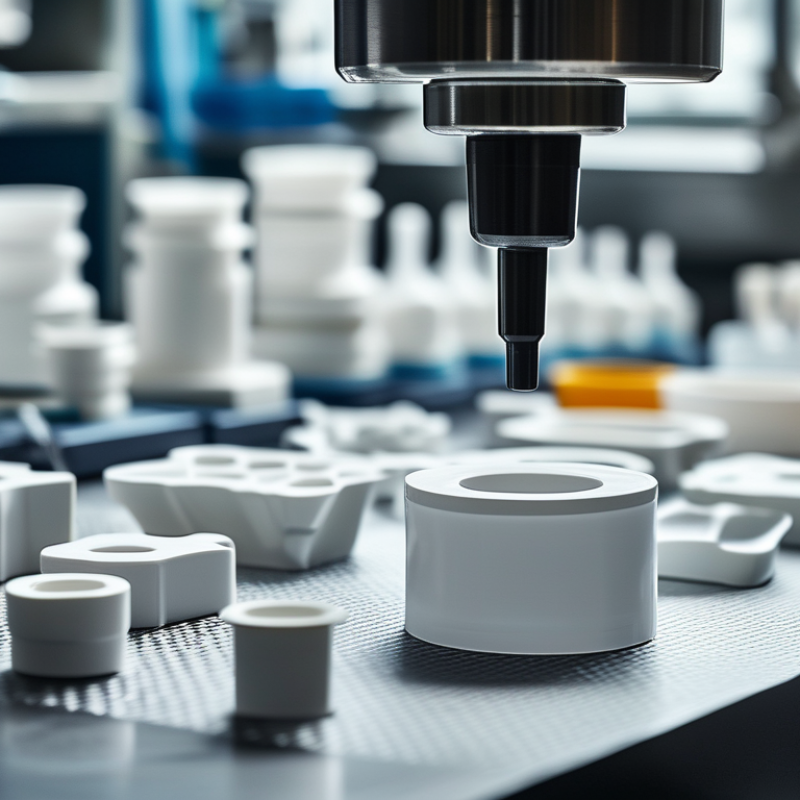
What is Medical Plastic Micro Molding and Why is it Important?

Definition and Overview of Medical Plastic Micro Molding

Medical plastic micro molding is a specialized manufacturing process. It focuses on creating very small plastic components for the medical industry. This technique is essential because it allows for the production of precise and intricate parts. These components are used in various medical devices, from surgical instruments to diagnostic tools. The size and complexity required in modern medical applications demand advanced micro-molding technology.

The process itself involves injecting molten plastic into tiny molds. The molds can produce parts that weigh less than a gram. High precision is crucial, as even minor imperfections can lead to significant issues in medical applications. For instance, components must fit together perfectly to ensure device functionality and patient safety. The materials used in this molding process must also meet stringent safety and regulatory standards. Achieving this level of precision and safety can be challenging and requires continuous improvement.

While the advancements are impressive, there are still hurdles to overcome. Ensuring consistency in production is one challenge. Variability can arise from machine calibration or material quality. Manufacturers must regularly evaluate their processes to maintain high standards. Even a small error in micro-molding can lead to product recalls, which can harm reputation and finances. Hence, a commitment to rigorous testing and quality control remains vital in this industry.

Key Advantages of Medical Plastic Micro Molding in Healthcare

Medical plastic micro molding is a cutting-edge manufacturing process crucial for the healthcare industry. This method creates tiny, precise components that meet strict medical standards. These parts play vital roles in devices ranging from syringes to surgical instruments. The ability to produce small, complex designs enhances medical device functionality significantly.

Key advantages of medical plastic micro molding include improved precision and reduced waste. The process allows manufacturers to use less material while maintaining high standards of quality. This efficiency can lead to lower production costs. Additionally, micro-molded parts can be tailored to fit specific applications, enhancing their effectiveness in clinical settings.

Despite these benefits, challenges remain. Achieving perfect dimensions can be difficult, and variations sometimes occur. This inconsistency prompts ongoing evaluation and adjustment in production processes. Nevertheless, the potential for innovation in medical treatments through micro molding is immense. The evolution of this technology continues to push boundaries in healthcare, enhancing patient outcomes.

Applications of Medical Plastic Micro Molding in Medical Devices

Medical plastic micro molding is revolutionizing the medical device industry. This process allows for the creation of extremely small, intricate components needed for modern healthcare applications. Precision is critical. Devices like syringes, implants, and microfluidic systems benefit from micro molding. These components often have complex geometries, which are hard to produce through traditional methods.

In surgical instruments, for example, micro molded parts reduce weight and improve maneuverability. They enable minimally invasive procedures, which can lead to faster recovery times. Furthermore, micro molding optimizes material usage. It minimizes waste, which is essential in a field where every detail matters. However, achieving perfect quality can be challenging. Manufacturers must ensure stringent quality control measures to avoid defects.

Additionally, the versatility of materials used in micro molding is noteworthy. Various plastics can be combined to meet different needs, such as sterilization and biocompatibility. Yet, this variety also brings complexity. Choosing the right material for a specific application requires deep expertise and skill. There is often a trade-off between durability and flexibility. Reflecting on these challenges is crucial for continuous improvement in medical device design.

Materials Used in Medical Plastic Micro Molding Processes

Medical plastic micro molding is a precise manufacturing technique. It uses specialized materials to create tiny components for healthcare devices. These materials must meet strict quality standards due to their application in medical settings. Common materials in this process include high-performance polymers, thermoplastics, and elastomers. These substances are chosen for their durability, biocompatibility, and resistance to harsh environments.

One report from the Global Plastic Medical Devices Market suggests that medical-grade plastics account for nearly 20% of the total material use in healthcare manufacturing. Materials like polycarbonate and polyethylene are favored for their lightweight and versatile properties. They play a crucial role in producing items such as surgical instruments and drug delivery systems.

Despite their advantages, material selection in micro molding can be challenging. The right choice can affect the performance of the final product. Biocompatibility is essential. Not all materials meet the required safety standards for use in patient care. Manufacturers must conduct extensive testing to ensure compliance. This careful consideration highlights the complexity and importance of material selection in micro molding.

What is Medical Plastic Micro Molding and Why is it Important?

Dimension Description Materials Used Applications
Precision High accuracy in molding small parts Polycarbonate, Polypropylene Syringes, Catheters
Repeatability Consistent part quality across multiple runs Medical-grade thermoplastics Drug Delivery Systems
Cost-Effectiveness Lower production costs for high volumes ABS, PVC Valve components, Disposables
Material Properties Specialized materials for medical applications Silicone, PEEK Implants, Diagnostic Devices

Future Trends and Innovations in Medical Plastic Micro Molding

Medical plastic micro molding is evolving rapidly, driven by advancements in healthcare needs. As medical devices become more complex, the demand for intricate parts is increasing. This technique allows manufacturers to produce tiny components with high precision. These components are essential for devices like insulin pumps and surgical instruments.

One notable trend is the integration of smart technology in micro-molded parts. Sensors can be embedded into tiny devices. This innovation offers real-time monitoring of health conditions. Additionally, biocompatible materials are being developed. These materials ensure safety and reduce the risk of reactions within the human body. However, challenges remain in material consistency and molding accuracy.

Innovation isn't without its pitfalls. As manufacturers push against the limits of size and functionality, some parts may not meet strict regulatory standards. The industry must focus on compliance while innovating. This balance is crucial for sustainable growth in medical micro molding. There is also a need for ongoing education and training to keep professionals updated on best practices. Industry collaboration can enhance quality and reliability in this specialized field.

FAQS

: What is medical plastic micro molding?

: It's a specialized manufacturing process for creating tiny plastic components for the medical industry.

Why is precision important in micro molding?

High precision ensures components fit together perfectly, essential for device functionality and patient safety.

What are some applications of micro molded parts?

They are used in syringes, implants, and surgical instruments, enhancing their performance in medical settings.

How does micro molding reduce material waste?

It uses less material while maintaining high standards, making the process more efficient.

What challenges do manufacturers face?

Ensuring consistency in production can be tough, with variability potentially affecting quality and leading to recalls.

How can manufacturers improve quality control?

Regular evaluation of processes and rigorous testing are vital to maintaining high standards in production.

What materials are used in micro molding?

Various plastics are utilized, often needing to satisfy requirements like sterilization and biocompatibility.

Is the evolution of this technology accelerating?

Yes, advancements continue to push boundaries in healthcare, potentially improving patient outcomes significantly.

Are there trade-offs when choosing materials?

Yes, balancing durability and flexibility is a common challenge that requires expertise and thoughtful consideration.

How might imperfections impact production?

Even minor errors can harm reputation and finances, stressing the need for continuous improvement in manufacturing processes.

Conclusion

Medical Plastic Micro-Molding is a specialized manufacturing process that involves creating small, precise plastic components crucial for healthcare applications. This technique is particularly important in the medical field due to its ability to produce high-quality parts with intricate designs, which are essential for the functionality and reliability of medical devices. The key advantages include enhanced accuracy, reduced material waste, and lower production costs, making it an optimal choice for medical manufacturers.

Applications of Medical Plastic Micro-Molding span various medical devices, including surgical instruments, drug delivery systems, and diagnostic tools. The materials used in these processes are carefully selected to meet stringent regulatory standards, ensuring safety and efficacy. As technology progresses, future trends in Medical Plastic Micro-Molding are likely to focus on innovations that further increase precision and efficiency, ultimately leading to improved patient outcomes in healthcare.

Lila

Lila

Lila is a dedicated marketing professional with a profound expertise in our company's offerings. With a keen eye for detail and a deep understanding of market trends, she adeptly crafts insightful blog posts that not only highlight our products but also educate our audience on their benefits. Lila......